


Curiosity, collaboration, and discovery that makes a difference.
Studying science at CMU means exploring how the world works and learning how to investigate it for yourself. From molecules to ecosystems, and statistics to ethics, you'll explore how the natural world works and how you might work within it to make things better.
Science is about understanding how the world works and learning how to figure things out when you don't yet know the answer.
At CMU, you'll build the skills scientists use every day, like analyzing data, testing ideas, and solving problems using evidence.
Small classes here mean that your ideas are heard and professors know your name. They'll challenge you, support you, and help you grow as a thinker and researcher.
Your degree in science will take you through biology, chemistry, physics, and mathematics while also connecting science with fields like psychology, literature, and theology. This helps you to see science not just as a set of facts, but as one way people search for truth and understanding.
You'll graduate from CMU with a strong foundation in science and a clearer sense of how to use it to make an impact in the world.
Areas of Study in the Science Program
At CMU, you can study science in a way that fits your interests and goals. This allows you to specialize, keep your options open, or combine science with another field.
The Bachelor of Science program at CMU has the following degree options:

Biology Major | Bachelor of Science (four-year degree)
Study life in all its complexities, including cells, genetics, ecosystems and biodiversity. Courses explore such topics as microbiology, ecology, physiology, and molecular biology.

General | Bachelor of Science (three-year degree)
A flexible degree that lets you explore biology, chemistry, physics, and mathematics while building strong critical thinking and problem-solving skills. This program is a great option if you're preparing for education, health professions, or other professional programs.

Arts and Science Major | Bachelor of Arts (three-year and four-year degrees)
Combine science with the arts for a broader, interdisciplinary degree. You can focus your studies in areas such as biology, biochemistry, ecology, or mathematics while also exploring subjects in the humanities and social sciences.
Add Science to another degree

Applied Mathematics Minor within the Bachelor of Arts (three-year and four-year degrees)
Develop problem-solving and analytical skills that complement any major. Mathematics supports fields like science, business, psychology, and more.

Biology Minor
Add a foundation in life sciences to any degree. Study topics like ecology, genetics, and physiology while making connections to fields such as psychology, theology, or the arts.

Biochemistry Minor
A strong option if you're interested in healthcare or research. This minor combines biology, chemistry, and math to prepare you for programs like medicine, dentistry, or pharmacy.
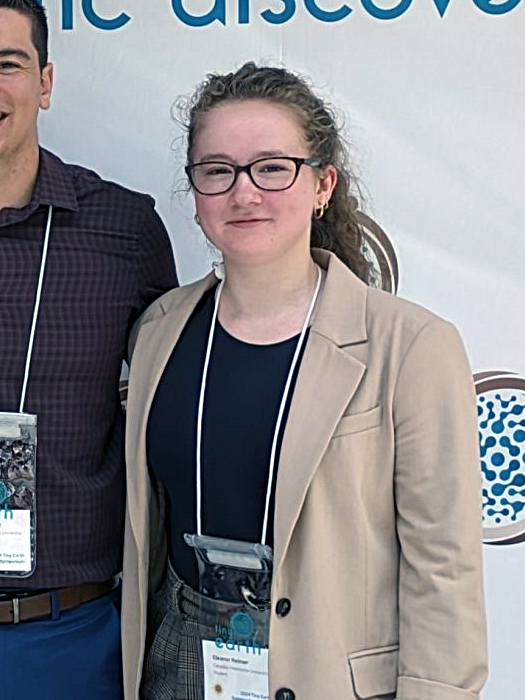
“The first thing you learn in a science degree is that there’s a lot you didn't know you didn’t know—and that’s one of the best parts. The science faculty at CMU are there to support you along the way.”
– Eleanor Reimer, Bachelor of Science student (Biology)
Why Study Science at CMU?
You'll do science, not just study it.
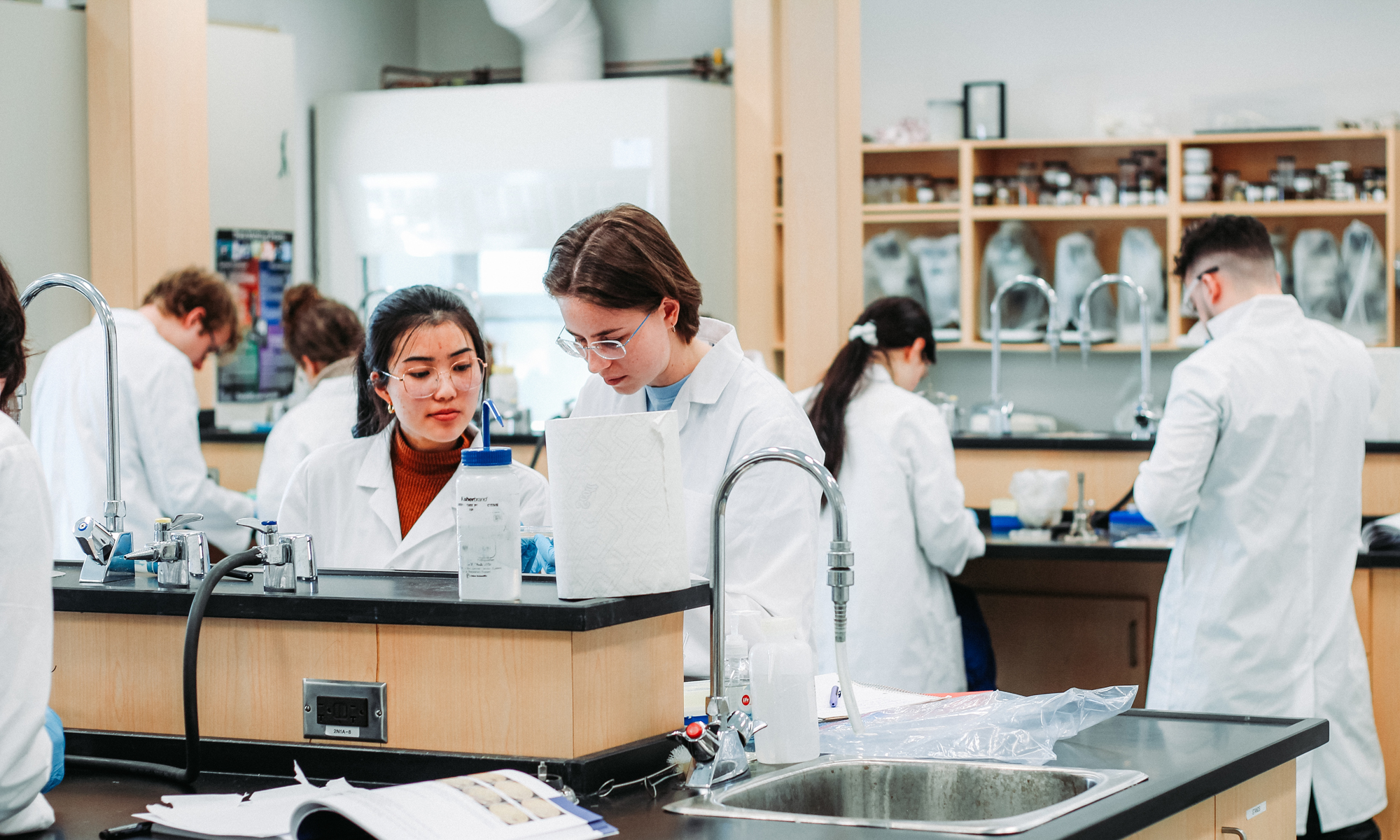
Research projects, lab experiments, and fieldwork are built into your courses. You won't just read about discoveries; you'll take part in the process of making them.

You'll be taught by professors who know you.
At CMU, professors work closely with students. They explain difficult ideas, encourage your curiosity, and invite you into real research projects.

You'll learn to think critically.
Science teaches you how to analyze evidence, question assumptions, and make decisions based on data.

You'll grow through challenge.
Studying science means trying new things, making mistakes, and improving over time. At CMU, that process happens in a supportive environment where growth matters more than competition.

You'll learn in community.
The science program at CMU is collaborative. Students help each other succeed, share ideas, and celebrate discoveries together.

You'll learn how to communicate your ideas.
Scientists don't just collect data, they explain what it means. You'll develop the ability to present ideas clearly, whether in research papers, presentations, or public discussions.
What Makes the Science Program at CMU Different?
Learning starts with relationships.
Professors at CMU care deeply about their students. They take time to mentor you, help you understand difficult concepts, and encourage you to grow as a scientist.
Collaboration beats competition.
Science works best when people share ideas and work together. At CMU, you might collect data in Assiniboine Forest, contribute to sustainability work with Metanoia Farms, collaborate with conservation groups like A Rocha, or present your research at CMU's Science Symposium.
Critical thinking is centered.
You'll learn how to ask meaningful questions, test ideas, and evaluate evidence carefully. These skills will help you make thoughtful decisions in science and life.
Science connects to real life.
You'll explore not only how scientific discoveries happen, but why they matter when learning about things like climate change, artificial intelligence, and public health.
Support is built in.
If you're unsure about math or nervous about labs, do not worry. At CMU, you'll find professors and classmates who support your learning and help you build confidence. Students planning careers in health professions also receive coaching and guidance during the application process.
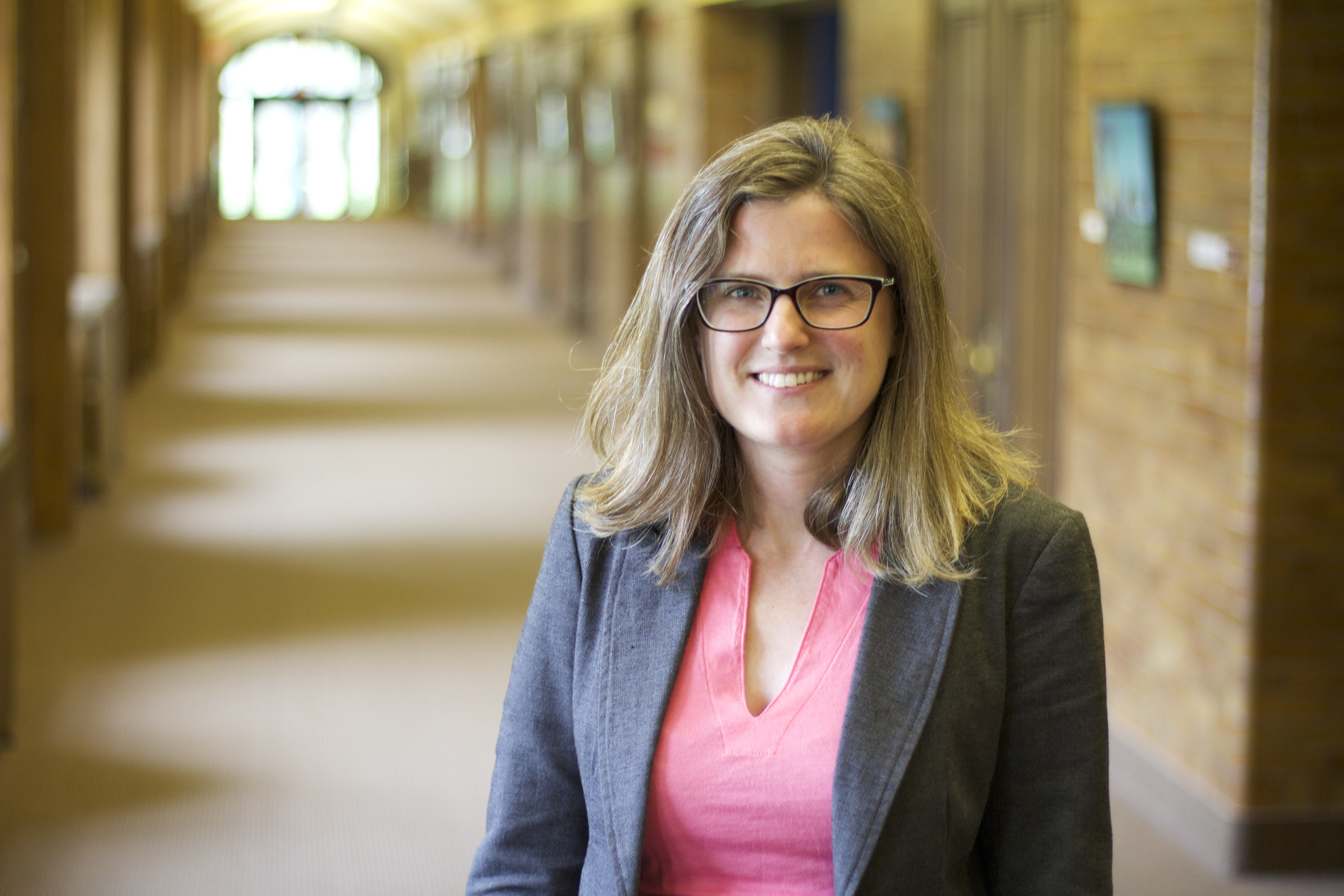
“I love bringing new discoveries from the scientific literature into the classroom and exploring them with students.”
– Dr. Candice Viddal, Assistant Professor of Chemistry and Physics
Where Can a Science Degree Take You?
A science degree opens the door to many different careers.
By studying science at CMU, you'll learn how to analyze information, solve problems, and communicate complex ideas clearly. These are valuable skills in healthcare, research, education, technology, and many other fields.
Many CMU science grads also use their degree to prepare for professional programs such as medicine, dentistry, physiotherapy, pharmacy, or veterinary medicine.
Here are just some of the ways CMU Science grads put their learning to work:
Work in healthcare.
Become a doctor, nurse, physiotherapist, or healthcare researcher.
Teach and share knowledge.
Inspire the next generation as a teacher, professor, or science communicator.
Protect the natural world.
Work in environmental science, conservation, sustainability, or climate research.
Work with data and technology.
Use scientific and mathematical skills in data science, software development, or public health.
Help shape policy and public understanding.
Contribute to science education, health policy, or environmental decision-making.
Continue your studies.
Pursue graduate school or professional programs in areas like medicine, education, or public health.
Note: Some careers may require additional certifications or graduate studies.
“Having the awareness and ability to think more conceptually about things and not just what I can hold in my hands or what I can look at through a microscope is incredibly valuable. The classes more concerned with how people think and how people relate give you a strong foundation [as a vet].”
– Esther Derksen, Biology Major '16

Work-Integrated Learning (WIL)
CMU is committed to learning by thinking and doing. This is called Work-Integrated Learning. All students complete a practicum or work placement as part of their degree, and hands-on learning happens throughout the science program.

Contribute to endangered species research with an organization like Fisheries and Oceans Canada.

Participate in projects like the global Tiny Earth project, studying antibiotic resistance.

Analyze cancer cell development using microscopes and modeling.

Take part in ecosystem monitoring and environmental fieldwork.

Work with teams studying public health or policy issues.

Gain experience in labs, hospitals, schools, or conservation organizations,
These experiences help you apply what you learn in class while building confidence and professional connections.
Explore More at CMU

Student Stories


Work-Integrated Learning at CMU

Residence Life

Related Programs
Viewbook
- Programs
- Natural Sciences
- Programs and Courses
- Meet the Professors
- What Are Grads Doing?
- Purpose and Commitments
- Work-Integrated Learning

Science Stories
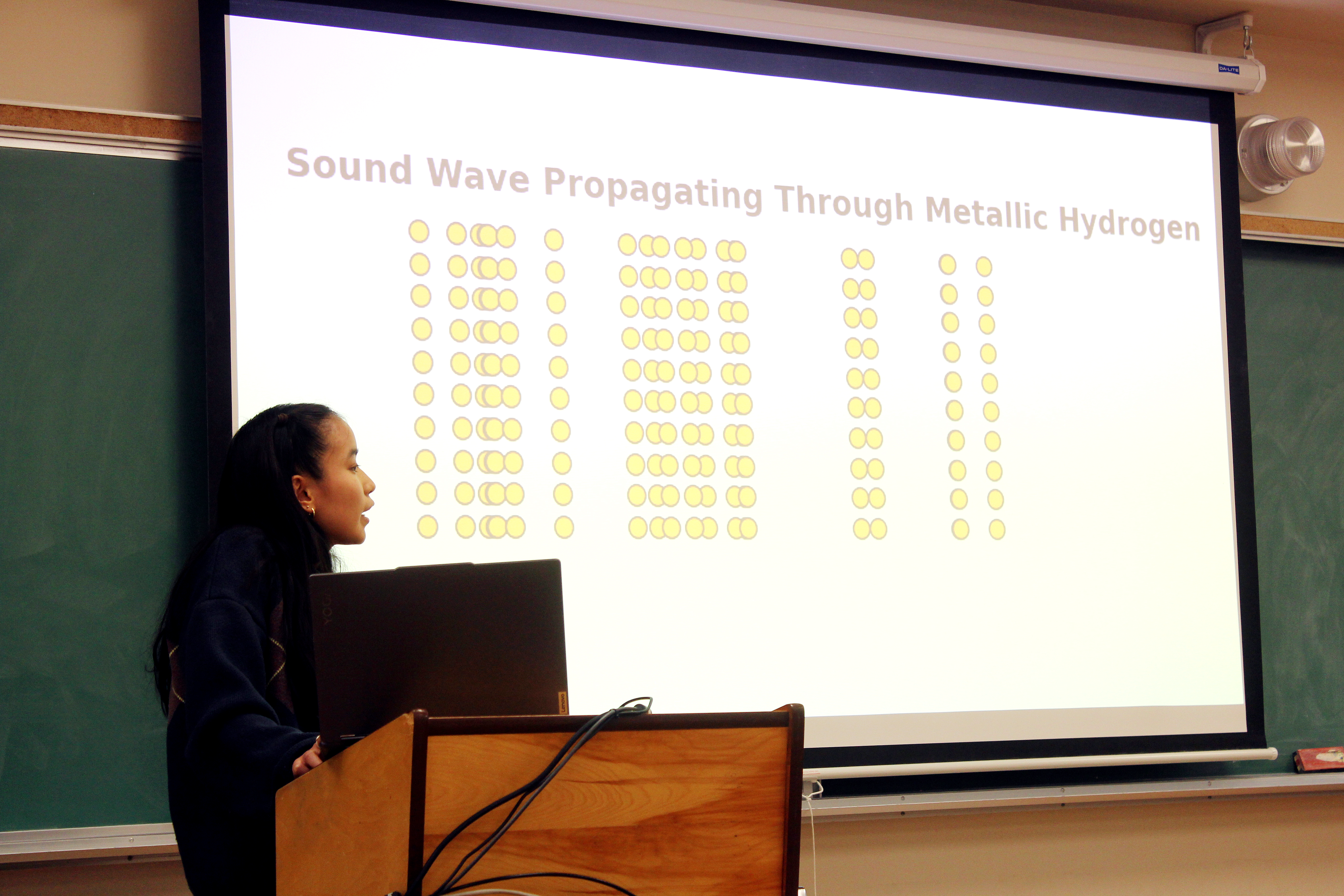

Two CMU alumni prove the value of creative veterinary care
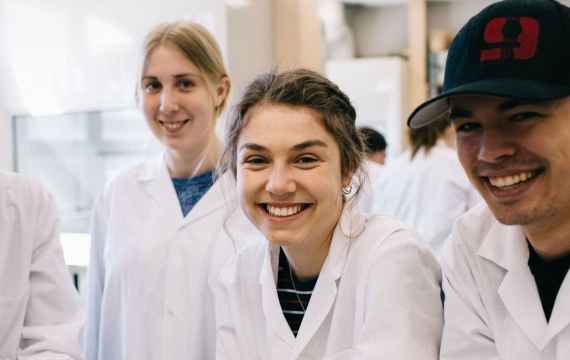
Five things I wish I knew before stepping into a CMU science class
— Annika Loeppky (CMU science student)

"I'm going into a very competitive field, and I knew that I could find extra help and support here. I knew about the higher standards and I believed that CMU could contribute to my success in the field."
— Esther Derksen ('16)
Faculty: In Their Own Words

Dr. Rachel Krause, Assistant Professor of Biology

Dr. John Brubacher, Assistant Professor of Biology

Dr. Candice Viddal, Assistant Professor of Chemistry and Physics

 Print This Page