



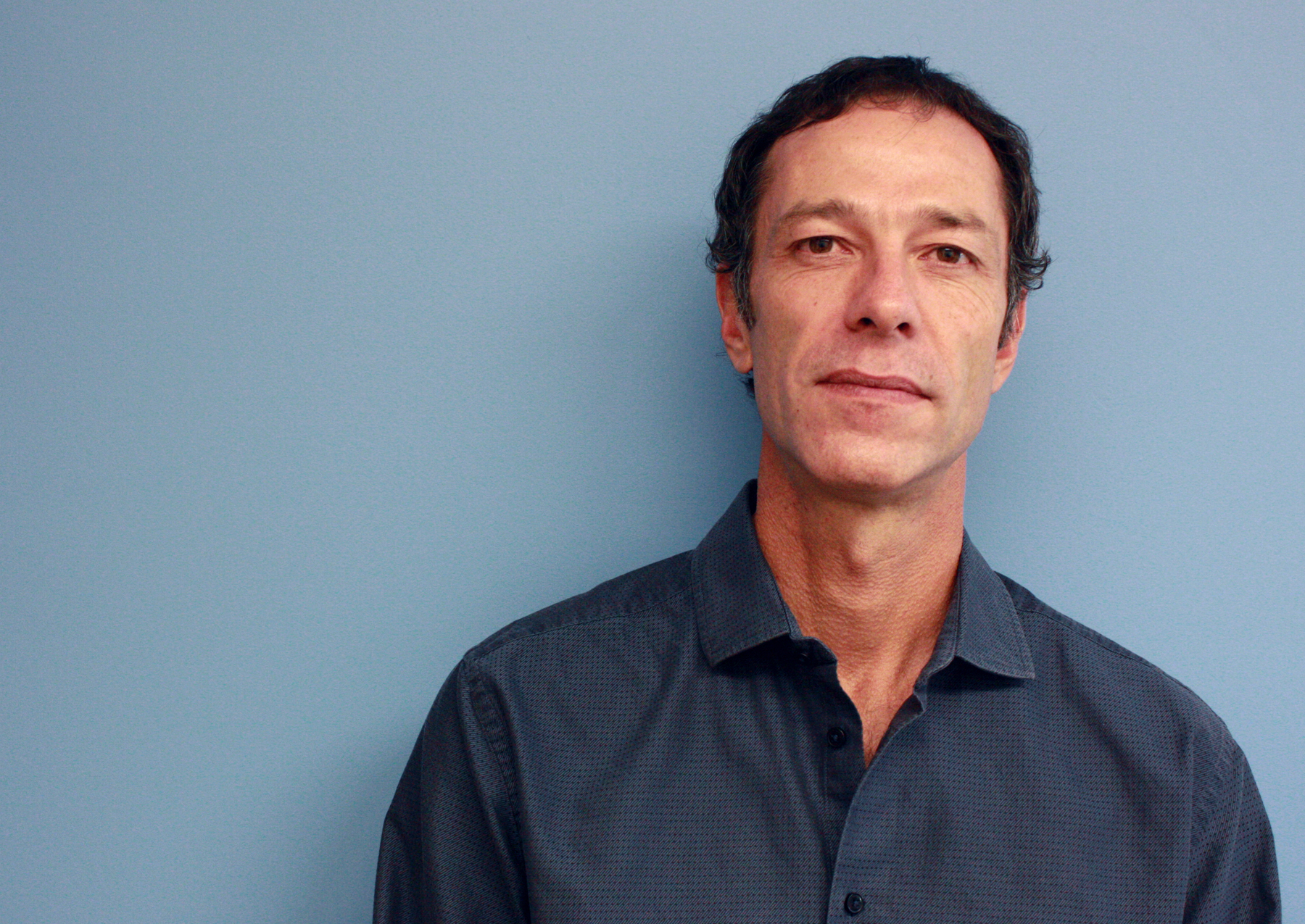
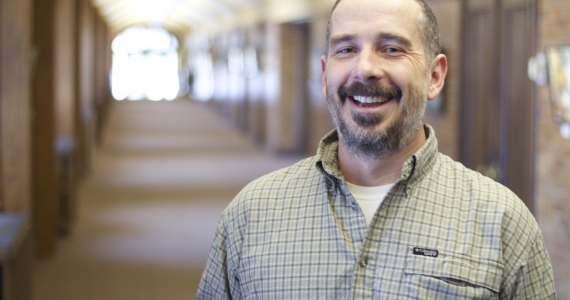
Tim Rogalsky he/him
Associate Professor of Mathematics
Program(s): Mathematics
Email: trogalsky:@:cmu.ca
Phone: 204.487.3300 x631
Office: F351
Tim loves teaching. He sees his role less as a lecturer and more as a mentor who walks alongside students in their learning. He values the energy of small classes and the chance to know students personally, helping them discover the joys and challenges of mathematics and artificial intelligence.
Alongside teaching, Tim has built a research practice that is collaborative by design, regularly involving students and colleagues across disciplines. His applied work in machine learning and AI spans a wide range of real-world problems, from cancer biology and wetland restoration to genetics and community history. A current focus is the development of ethical, knowledge-grounded AI systems. One such project is a chatbot for the Manitoba Historical Society, built on retrieval-augmented generation to provide accurate, transparent responses about Manitoba's past.
Tim also brings scholarly attention to teaching itself. Through the Scholarship of Teaching and Learning, he studies how AI tools can be integrated into mathematics and logic education in ways that are rigorous, supportive, and ethically sound.
At the heart of his work is a vision of education as formation, shaping not only knowledge but also character and purpose. Tim strives to cultivate inclusive spaces where students feel safe bringing their whole selves into the conversation, and where diverse perspectives are welcomed as essential to real learning. He encourages students to connect their passions with a larger purpose, exploring how mathematics and learning can contribute to a more just and flourishing world.
Outside of CMU, Tim enjoys volunteering, mountain biking, cooking, making music, and spending time with his family.
Areas of Teaching
Mathematics and Artificial Intelligence
Education
Certificate in Artificial Intelligence, University of Toronto, 2026; PhD, Mathematics, University of Manitoba, 2004; MSc, Applied Mathematics, University of Manitoba, 1998; BSc (Hons), Applied Mathematics, University of Manitoba, 1996; BRS, Mennonite Brethren Bible College, 1991
Work in Detail
Teaching
Tim teaches across a wide range of levels and audiences. New for 2026-27, The AI Revolution is an accessible, interactive course exploring the history, capabilities, and ethics of artificial intelligence. It has already run as a public continuing education course through CMU's Xplore program and joins the undergraduate curriculum in January 2027.
For students with no math background, he also offers Elements of Discrete Mathematics and Introductory Logic. For students in Science, Business, and Psychology programs, he covers statistics, calculus, and quantitative reasoning.
In 2026, Tim piloted MathBridge, an AI-powered statistics tutor, in collaboration with Forever Learning AI. MathBridge is designed to encourage learning and resist cognitive offloading. Students reported clearer understanding, more confidence, and less anxiety. They described it as fundamentally different from other AI tools: it stays focused on course content and behaves like a tutor, not an answer-generator. The fears about AI offloading aren't unfounded. But the answer isn't avoidance. It's design.
For mathematics majors and enthusiasts, he teaches Mathematical Biology, Dynamical Systems and Chaos, Differential Equations, and Linear Algebra. Undergraduate research is embedded in several of these courses. Students have contributed to published work in cancer biology, ecological modelling, and AI.
Research
Tim's current research centers on ethical, knowledge-grounded AI and its applications in education and public institutions. A flagship project is an agentic chatbot for the Manitoba Historical Society, built on a local model running at CMU rather than a remote data centre. That means user conversations stay in Manitoba, the environmental footprint stays small, and the community retains control of its own data. The system grounds every response in verified Manitoba heritage data, cites its sources so users can check them, and acknowledges when an answer is uncertain or unavailable. Undergraduate students are involved as developers and research assistants, gaining hands-on experience building and evaluating a real system. The long-term goal is to make the model freely available to heritage and nonprofit organizations across the province. The project is a collaboration with Dr. Gordon Goldsborough and the Manitoba Historical Society.
Tim also studies the tools he teaches with. MathBridge is the subject of an ongoing mixed-methods study examining how AI-supported tutoring shapes student learning, confidence, and metacognition in introductory statistics. A second Scholarship of Teaching and Learning project traces how the iterative integration of AI across three offerings of Introductory Logic (2021, 2023, 2025) shaped student learning, independence, and interdisciplinary engagement.
Other active collaborations include work in cancer biology with Dr. Nicolas Malagon, deep learning and population genetics with Dr. Matt Thorstensen, and wetland rehabilitation in Zimbabwe with Dr. Rachel Krause.
Sample work
Rogalsky, T., Malagon, N., Campbell-Enns, L., & Dyck, M. (2026). Applied AI for interpretable analysis of developmental cell dynamics in Drosophila. In: Large Language Models: Artificial Intelligence, Tools, NLP and Use Cases. In Dimitoglou, G., Deligiannidis, L., Arabnia, H.R. (eds). Transactions on Computational Science and Computational Intelligence. Springer, Cham. (In Press)
Rogalsky, Tim, Lia Campbell-Enns, Matthaeus Dyck, and Nicolas Malagón. "Robust Unsupervised Classification of Drosophila Cell Dynamics Using Dynamic Time Warping and Consensus Clustering of Engineered Features." In Emerging Trends in Computational Biology, Biomedical Engineering, and Health Informatics, edited by Abeer Alsadoon et al., 13–27. Communications in Computer and Information Science 2935. Springer, 2026. https://doi.org/10.1007/978-3-032-22199-5_2.
Hosseini Moghadam, Mohammadreza, Hadiya Omer, Anastasia Dilello, Lia Campbell-Enns, Paula Pineda, Derek Neufeld, Sofia Ertulova, Stephen Ingram, Ernest Ho, Tim Rogalsky, and Juan Nicolas Malagon. 2025. "How Do Small Adjustments in Apical Surface Area Impact Tissue-Wide Homeostasis?" MicroPublication Biology 2025 (August): https://doi.org/10.17912/micropub.biology.001727.
Rogalsky, T. "Rethinking Intelligence: An Anabaptist Dialogue with Artificial Intelligence." Leader Magazine. Vol. 21, Summer 2024, pp 7-9.
Rogalsky, T. "Salvador Dalí: Mathematical Mystic." In: Dyck, P. and Huebner, H. (eds). A University of the Church for the World. CMU Press, Winnipeg, 2016, pp 161-182.
Derksen, R.W. and Rogalsky, T. "Bézier-PARSEC: An optimized aerofoil parameterization for design." Advances in Engineering Software. Vol. 41, Issues 7-8, July/August 2010, pp 923-930.
Applied
Selected talks and workshops
"Responsible Use of AI." Various workshops for teachers and learners, 2023-present.
"Living Wisely With AI." River East Church, Winnipeg, Manitoba, September 2026.
Rogalsky, Tim and Steve Rogalsky. 2026. "Who's Doing the Thinking? A Founder and a Mathematician on a Year of Building and Teaching with AI." Contributed talk, Prairie Dev Con, Winnipeg, Manitoba, September 21–22, 2026.
Rogalsky, Tim and Matt Thorstensen. 2026. "Inferring Selection Timing from ARG Topology Using a Graph Isomorphism Network." Contributed talk, Canadian Applied and Industrial Mathematics Society Annual Meeting, Regina, Saskatchewan, June 15-19, 2026.
Bilous, Ryan, Maddie Hiebert, Levi Voth, and Tim Rogalsky. 2026. "When Timing Matters: Mechanism-Dependent Treatment Windows in a Dynamical Model of Seizures." Poster presented at the Canadian Applied and Industrial Mathematics Society Annual Meeting, Regina, Saskatchewan, June 15-19, 2026.
Rogalsky, T, Micah Boschmann, Ben Kilbrei, Duku Abodigin, Naomi Van Benthem, Octavian Bourdon. 2024. "Nestled Allies: Richardson's Ground Squirrels and Artificial Burrows in the Conservation of Burrowing Owls." Canadian Applied and Industrial Mathematics Society Annual Meeting, Kingston, Ontario, June 24, 2024.
"This Event is Generated by Artificial Intelligence: Conversations with ChatGPT." Face2Face organizer, presenter, and host, Canadian Mennonite University, November 15, 2023.
Rogalsky, T. "Pandemic-Inspired Learning Strategies for Endemic Times." 34th annual International Conference on Technology in Collegiate Mathematics, Virtual event, March 14, 2022.
"Why Beauty Matters: Radical Amazement, Spirituality, and the Ecological Crisis." Face2Face panel organizer and presenter, Canadian Mennonite University, November 2, 2016.
Community
Production Coordinator, Board Member, and Violist with the Mennonite Community Orchestra (2022–present).
Volunteer with the Winnipeg Folk Festival (2010–present).
Volunteer with Triathlon Manitoba and Ironman Canada (2022–present).
Performed as Reuben in the Dramatic Theatre Company's Joseph and the Amazing Technicolor Dreamcoat (April 2023).
Volunteer with the Threshermen's Reunion and Stampede at the Manitoba Agricultural Museum (2016–present). In 2016, I was one of hundreds of threshers in the (then) Guinness-World-Record-breaking harvest with 139 simultaneous antique threshing machines!
Faculty: In Their Own Words
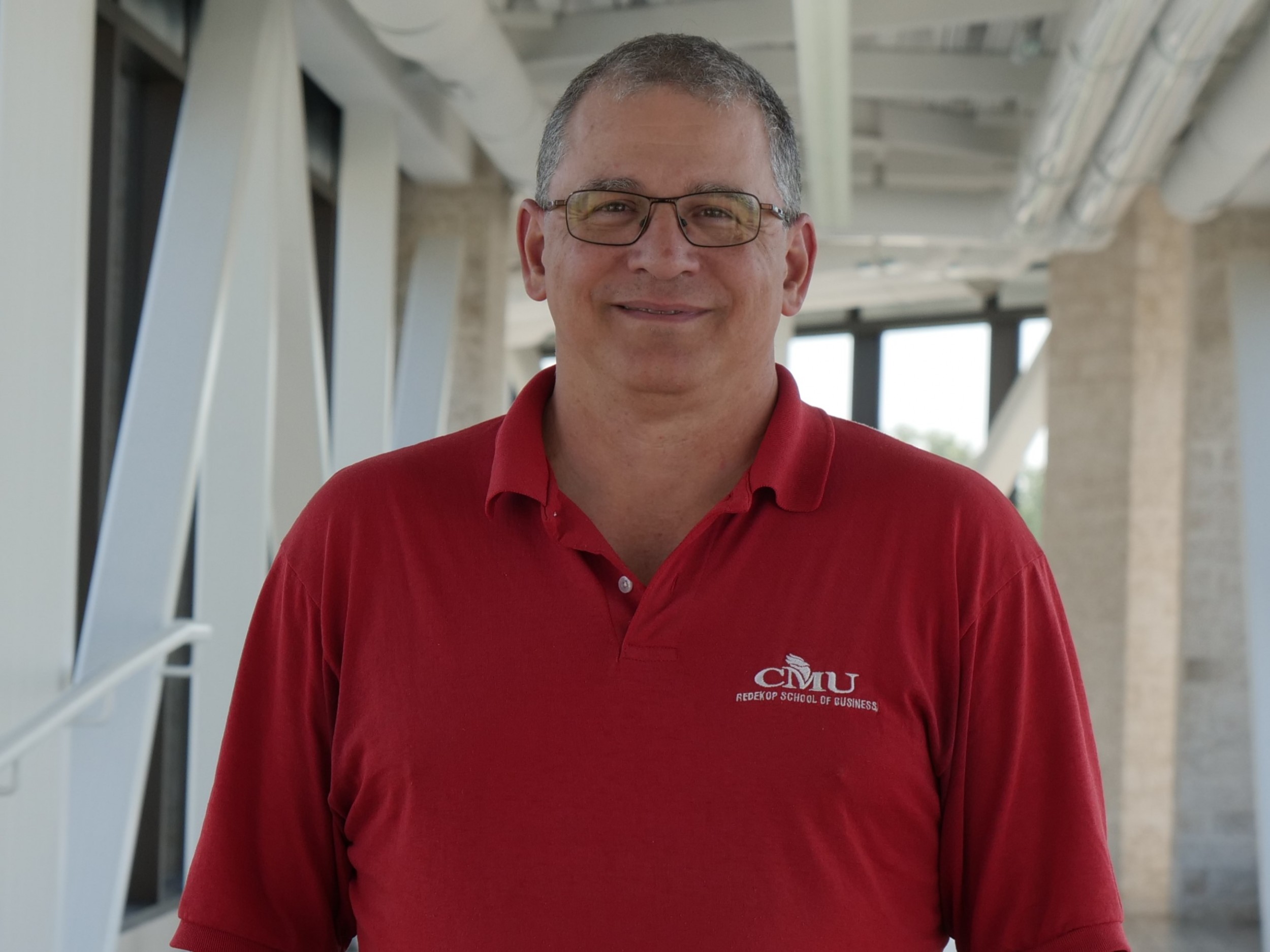
Dr. Craig Martin, Assistant Professor of Business and Program Coordinator for the MBA program
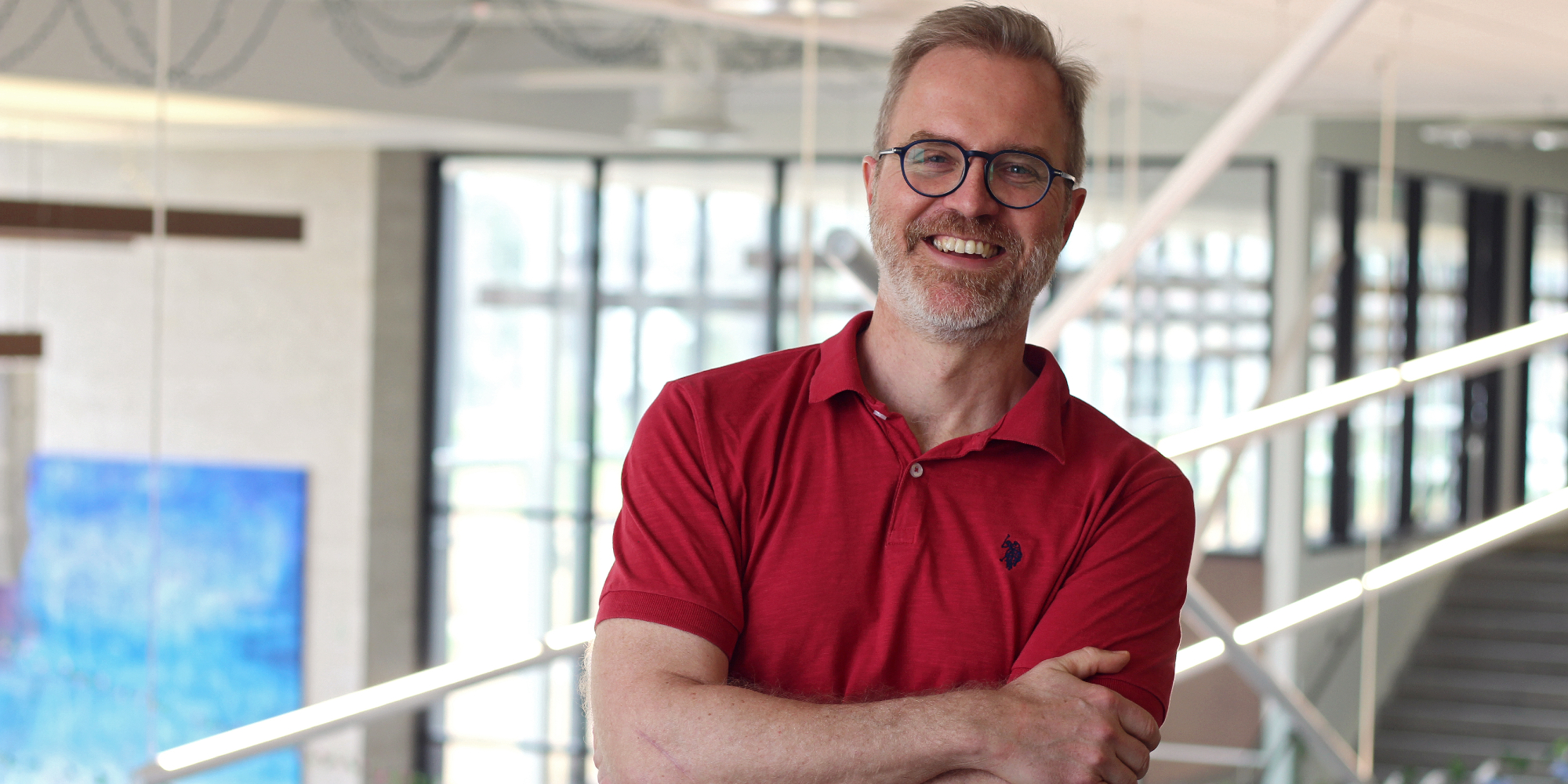
Dr. Alex Sawatsky, Professor and Chair of Social Work
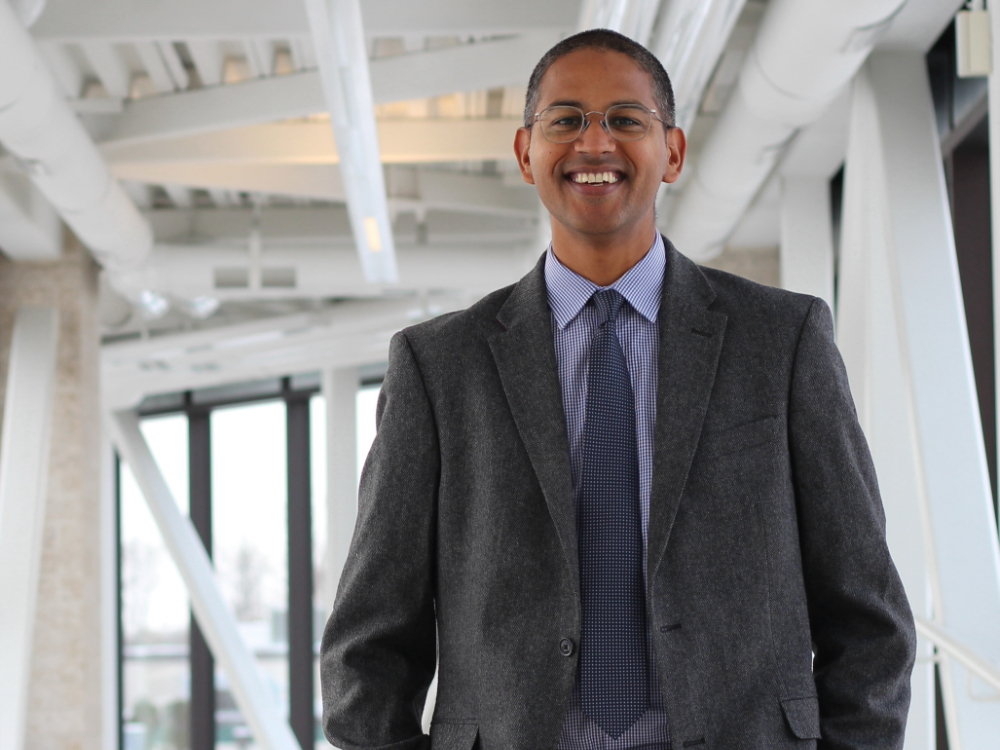
Dr. Sunder John Boopalan, Assistant Professor of Biblical and Theological Studies
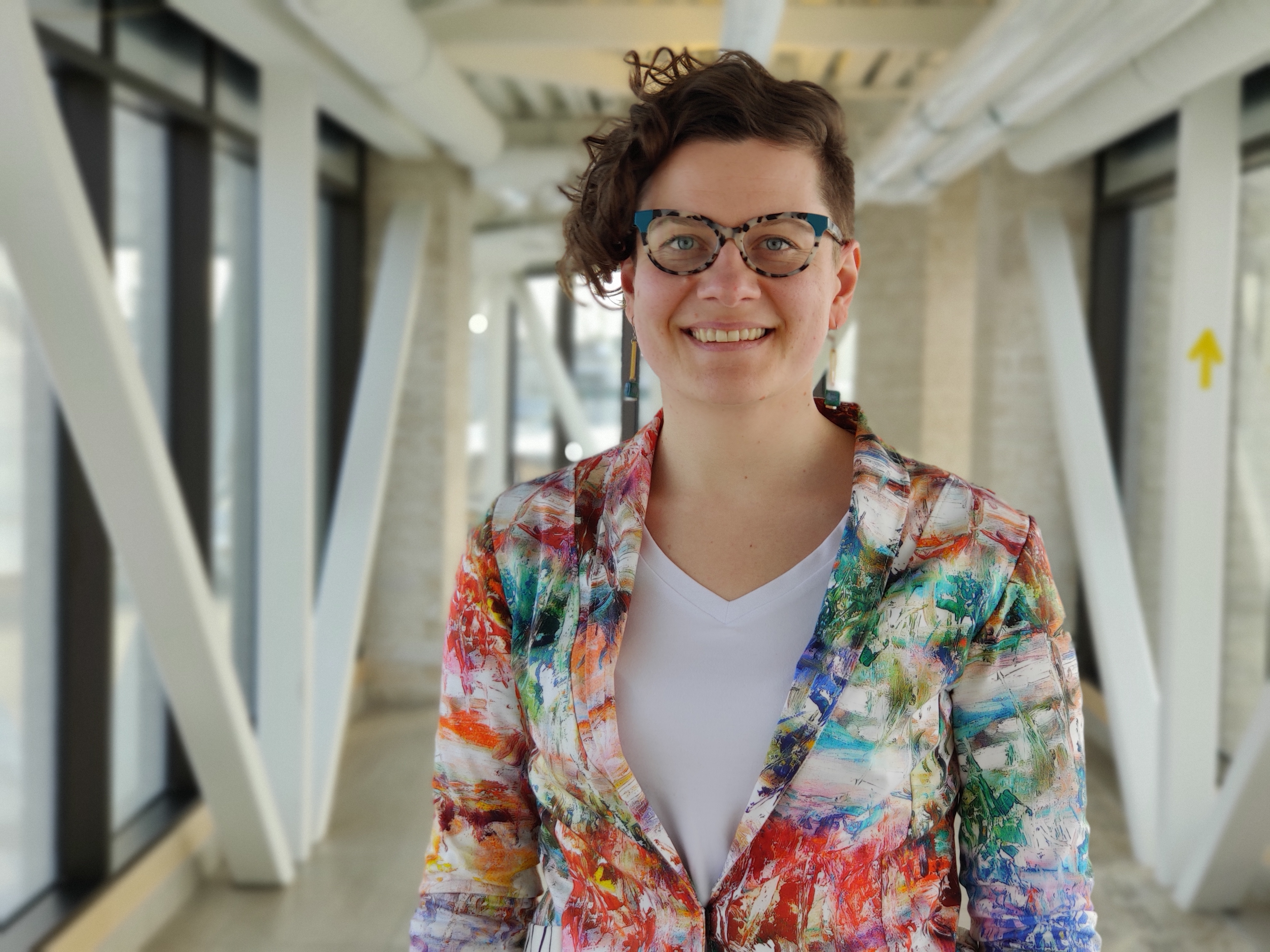
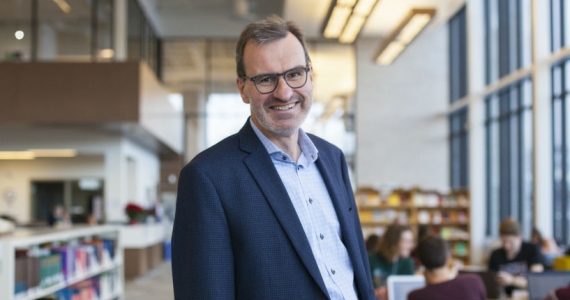
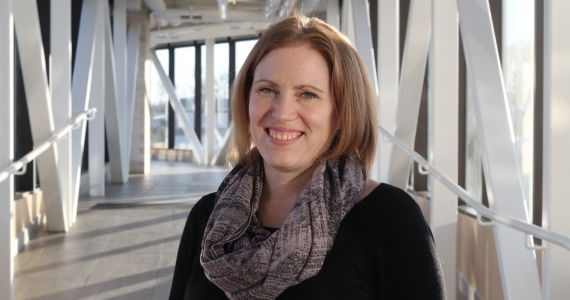
Michelle Yaciuk, Assistant Professor of Music Therapy
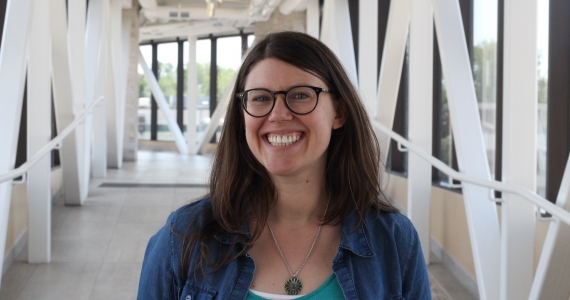
Lee-Anne Dowsett, Assistant Professor of Music Therapy
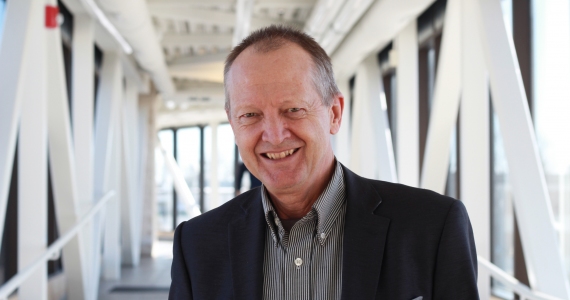
Dr. Gordon Zerbe, Professor of New Testament
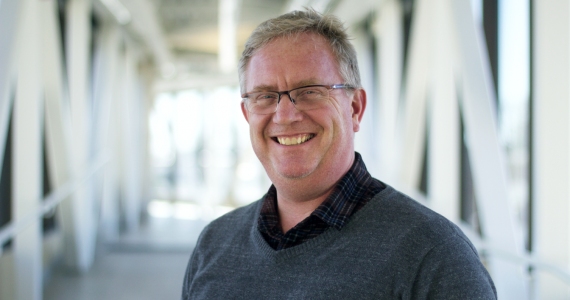
Dr. Brian Froese, Associate Professor of History
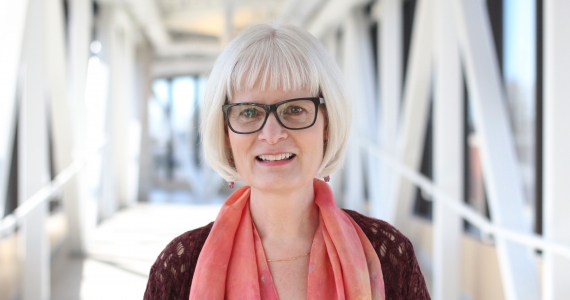
Dr. Christine Longhurst, Assistant Professor of Music and Worship
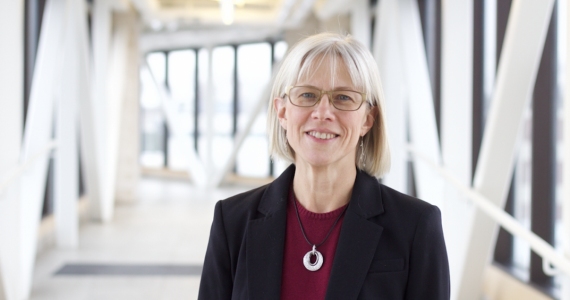
Dr. Sheila Klassen-Wiebe, Assistant Professor of New Testament
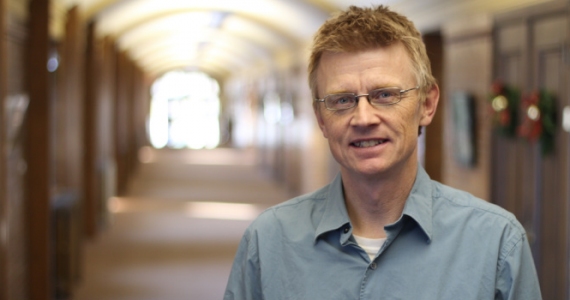
Dr. Chris Huebner, Associate Professor of Theology and Philosophy
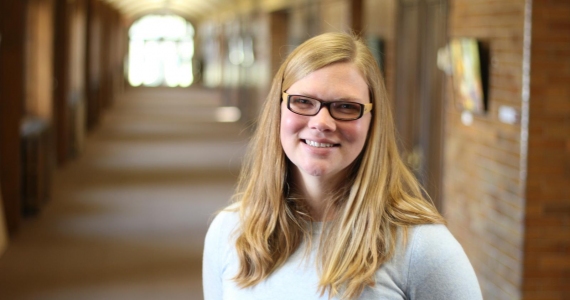
Dr. Rachel Krause, Assistant Professor of Biology
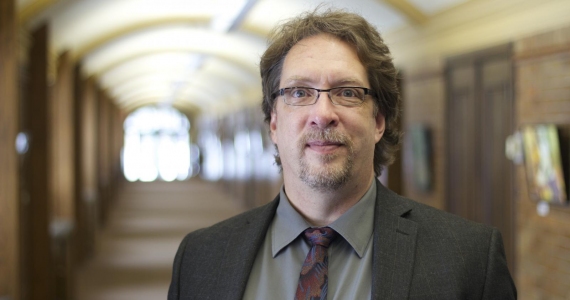
Dr. Delmar Epp, Associate Professor of Psychology
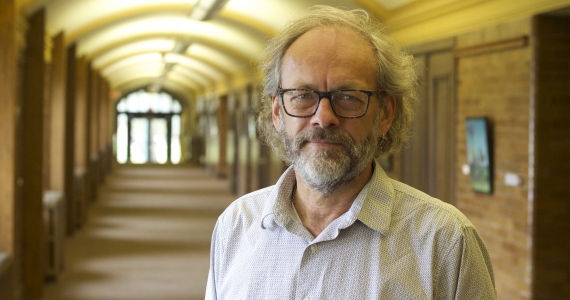
Dr. Paul Doerksen, Associate Professor of Theology and Anabaptist Studies
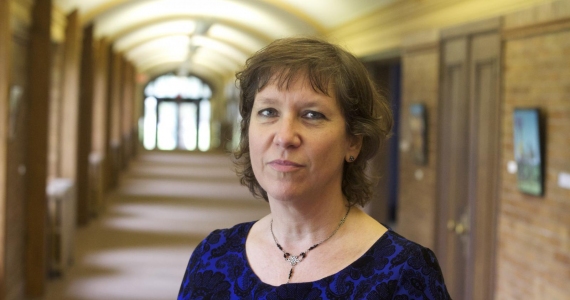
Dr. Sue Sorensen, Associate Professor of English
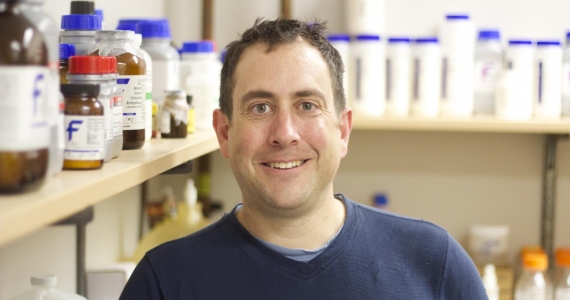
Dr. John Brubacher, Assistant Professor of Biology
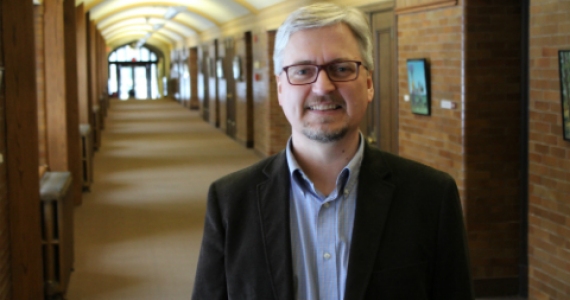
Dr. Paul Dyck, Professor of English
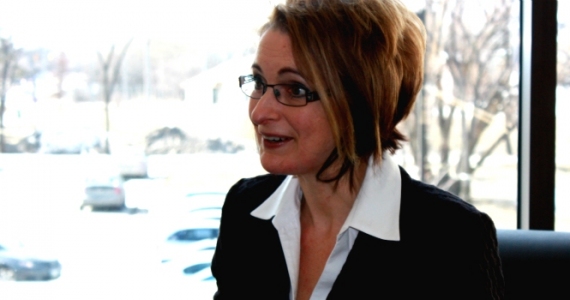
Dr. Janet Brenneman, Dean, School of Music; Associate Professor of Music
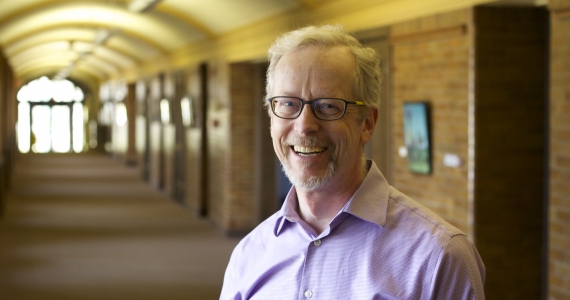
Prof. Andrew Dyck, Assistant Professor of Ministry Studies
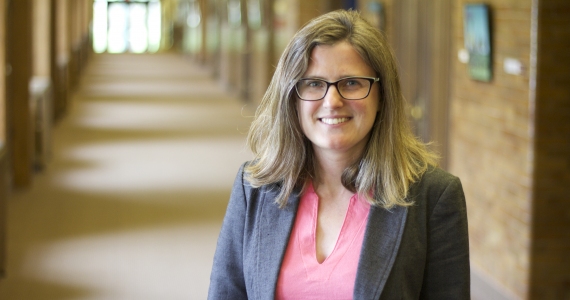
Dr. Candice Viddal, Assistant Professor of Chemistry and Physics
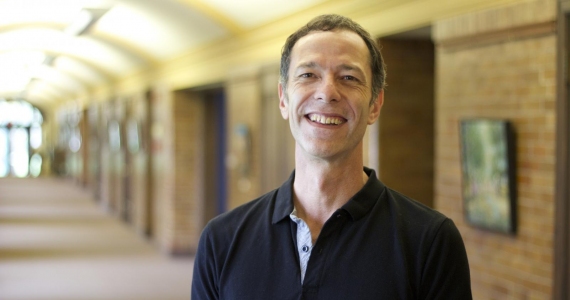
Dr. Tim Rogalsky, Associate Professor of Mathematics
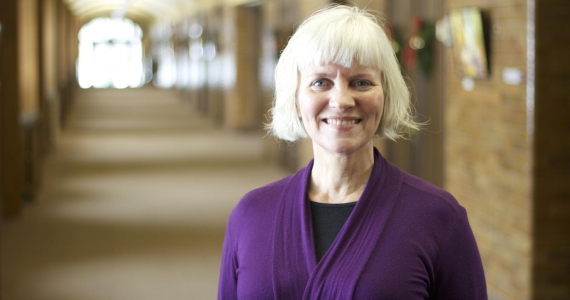
Dr. Wendy Kroeker, Assistant Professor of Peace and Conflict Transformation Studies
Kenton Lobe, Instructor in International Development Studies
 Print This Page