
Music that makes an impact. A place to grow.
At CMU, studying music is about more than performance. It's a way of thinking, feeling, creating, and belonging. If you love making music with others, exploring how music connects to community and culture, or you're imagining a future shaped by creativity, the Music program at CMU helps you turn your passion into purpose.
At CMU, music is a practice of listening, collaborating, and expression. Rooted in a rich tradition of community music-making, you'll study music as both craft and connection. You'll learn alongside students from a range of backgrounds and be supported by faculty who care deeply about your growth — musically, creatively, and personally.
Why Study Music at CMU?

Build technical skills and creative confidence.
You'll learn from award-winning performers, composers, researchers, and conductors. You'll grow in your abilities through weekly one-on-one lessons, ensembles like choirs or rock band, and courses in the theory and history of music.

Explore the many ways of making music.
From classical to rock, solo to collaborative, scored to improvised, the CMU music program values all musical languages. You'll study traditions while engaging with music from local to global perspectives.

Learn by doing.
You won't just study music, you'll create it. Perform in student recitals and concerts, compose original works, conduct ensembles and collaborate across disciplines.

Build a career that's true to you.
Graduates of the CMU Music program perform, teach, compose, lead, and are therapists. But they also become doctors, lawyers, educators, and nonprofit leaders. Music is the foundation, and you build your future.

Develop digital fluency.
Students gain hands-on experience in the CMU Media Lab, learning how to record, edit, and produce professional-quality audio for music, film, podcasts, gaming, and more.

Join a thriving creative community.
At CMU, music is collaborative, not competitive. You'll make lasting connections with peers, faculty, and alumni, and become part of a supportive network.
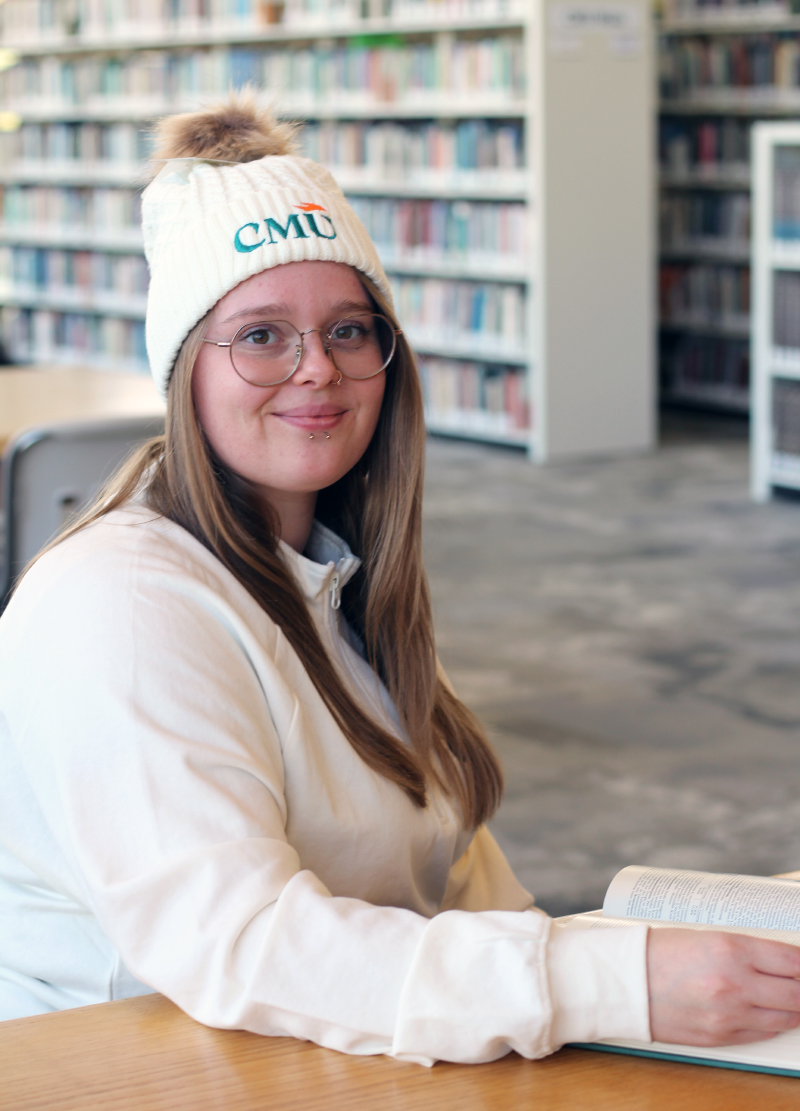
“I am so grateful to be here. To have a school environment I feel so comfortable in is something I never expected from a university experience.”
– Ashley Kineshanko, Music student
What Makes Music at CMU Different?
A program that adapts to you.
The Music program curriculum welcomes musicians from diverse backgrounds, not just those with years of formal training.
Interdisciplinary by design.
At CMU, music connects to everything, not just what happens in the practice room. You’ll explore how music relates to mental health, culture, spirituality, and society.
A place to find your own path.
You can explore music therapy, composition, education, conducting, worship leadership, or community music and pivot as you grow.
Faculty who are active professionals.
From award-winning artists to opera composers and educators, your professors are also practicing musicians who know the industry and are investing in your growth.
Performance opportunities with purpose.
Take part in world premieres, student recitals, competitions, and community events that connect your music to something bigger.
“I long for students to feel as though they’ve been challenged and pushed, but also nurtured along the way. I want students to feel that they have a voice and that they’ve had opportunity for that voice to develop and grow.”
– Janet Brenneman, Academic Dean; Professor of Music

Where Can a Music Degree from CMU Take You?
Where can a Music degree from CMU take you? Anywhere creativity, collaboration, and thoughtful leadership matter. A CMU music degree is more than preparation for a music career, it’s preparation for life.
Here are just some of the paths students often explore:
Perform and collaborate.
Work as a solo artist, ensemble musician, accompanist, or session player across a wide range of genres.
Teach and share music.
Inspire learners as a private instructor, classroom teacher (with further certification), or community arts educator.
Compose and arrange original music.
Write for ensembles, worship settings, film, podcasts, games, choirs, and community projects.
Lead with care and insight.
Explore the role of music in the context of care, wellbeing, and community-based initiatives, including Music Therapy.
Offer musical leadership in faith communities.
Plan and lead music for worship across traditions and ages, or coordinate church music programs.
Shape how music is shared.
Work in arts administration, the music industry, or community outreach roles.
Continue your education.
Pursure graduate study in music performance, composition, musicology, education, theology, or related fields.
Note: Some paths may require additional training, certification, or graduate study.
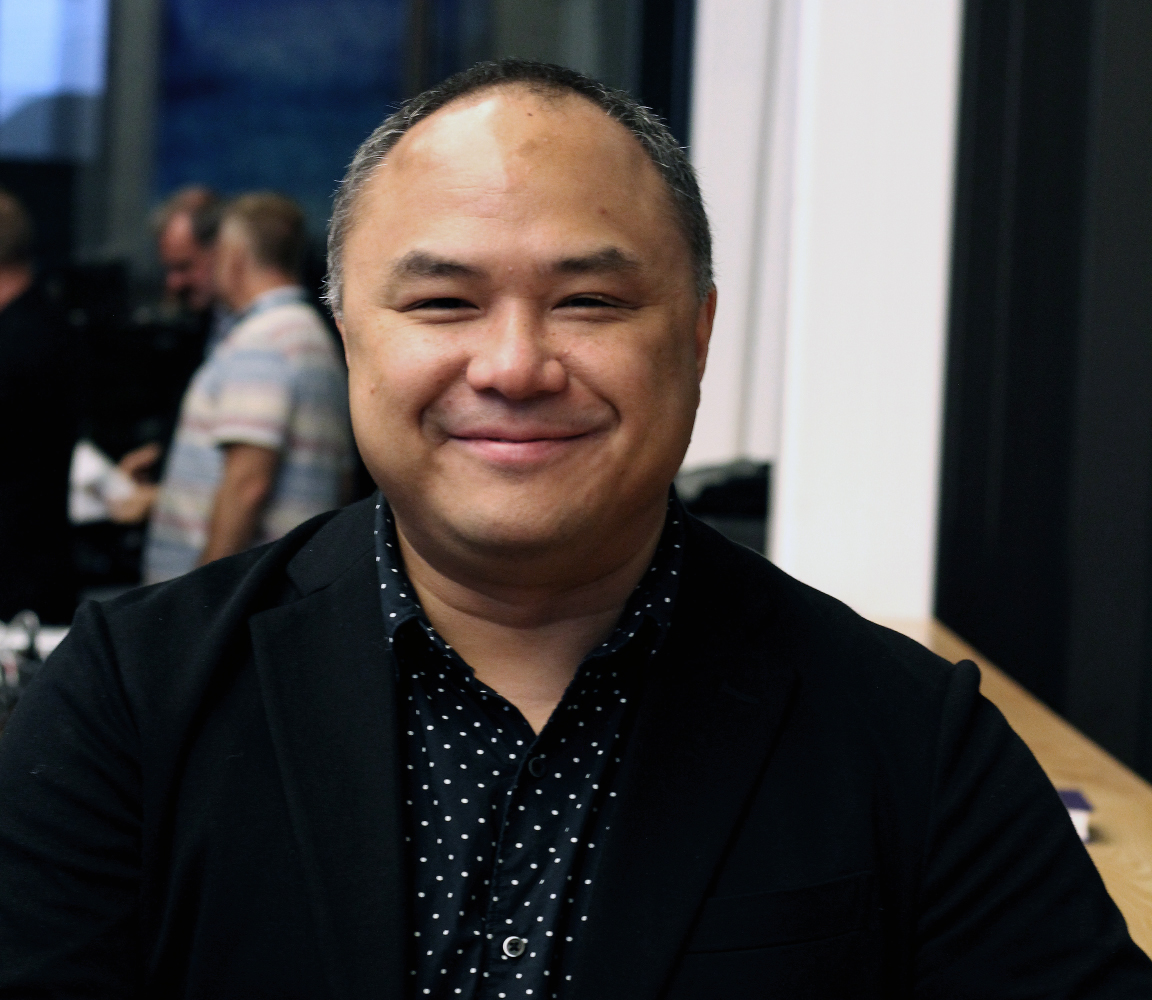
“A lot of the skills I learned through music come into my work every single day.”
– Marvin Marcial, Bachelor of Music ’07
Work-Integrated Learning (WIL)
Every CMU student completes at least one work-integrated learning placement as part of their degree. This experience connects your academic study to hands-on experience. In the Music program, placements might include:

Community choirs, ensembles, or music education programs

Arts and cultural organizations

Worship and faith-based community settings

Schools, nonprofits, or outreach initiatives

Creative projects in media, recording, or production contexts
These experiences help you discover your strengths, sharpen your skills, and imagine where your love of music can make an impact.
Explore More at CMU

Student Stories


Work-Integrated Learning at CMU
Residence Life

Related Programs
Viewbook

As CMU is a member of Universities Canada, students can be assured that the program will meet the highest regulatory requirements for work in a range of contexts across Canada.
- Programs
- Music
- Programs and Courses
- Meet the Professors
- Alumni Stories
- Purpose and Commitments
- Work-Integrated Learning
- Music Program Admission Requirements

Music Stories
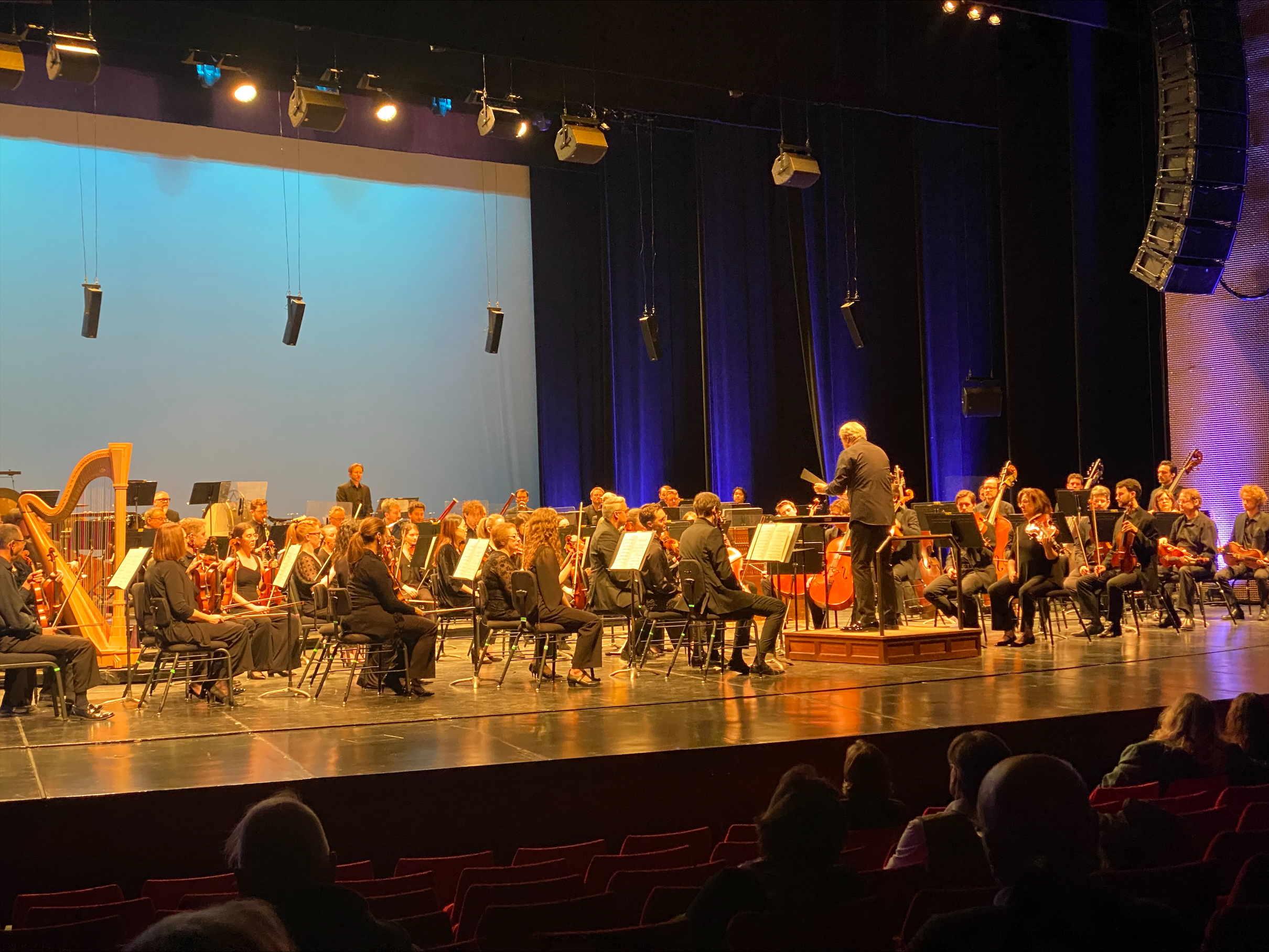
CMU professor gives light to the darkness of history with WSO commission
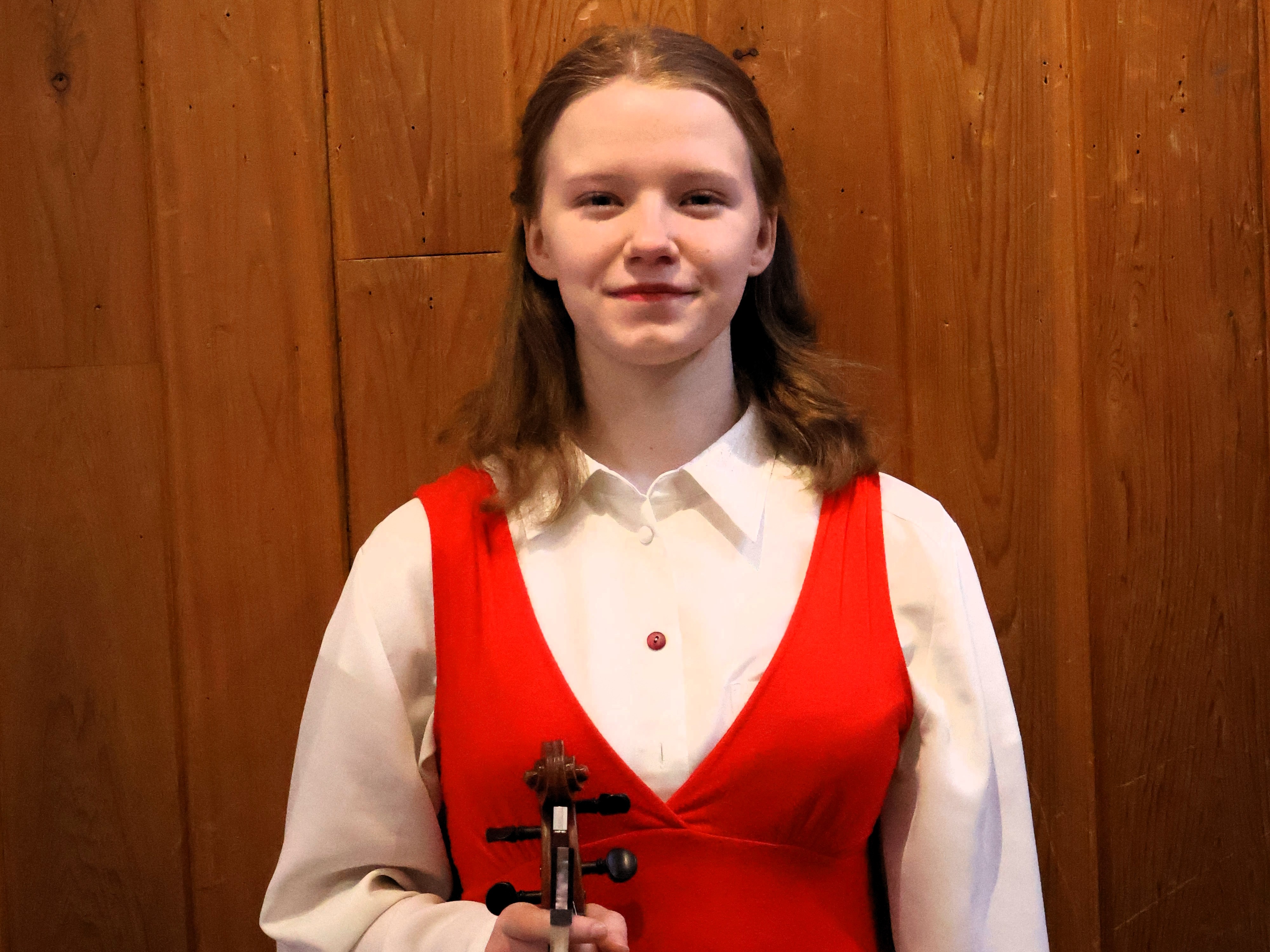
Bridging traditions: Stan Rogers' folk legacy honoured by CMU Concert Band
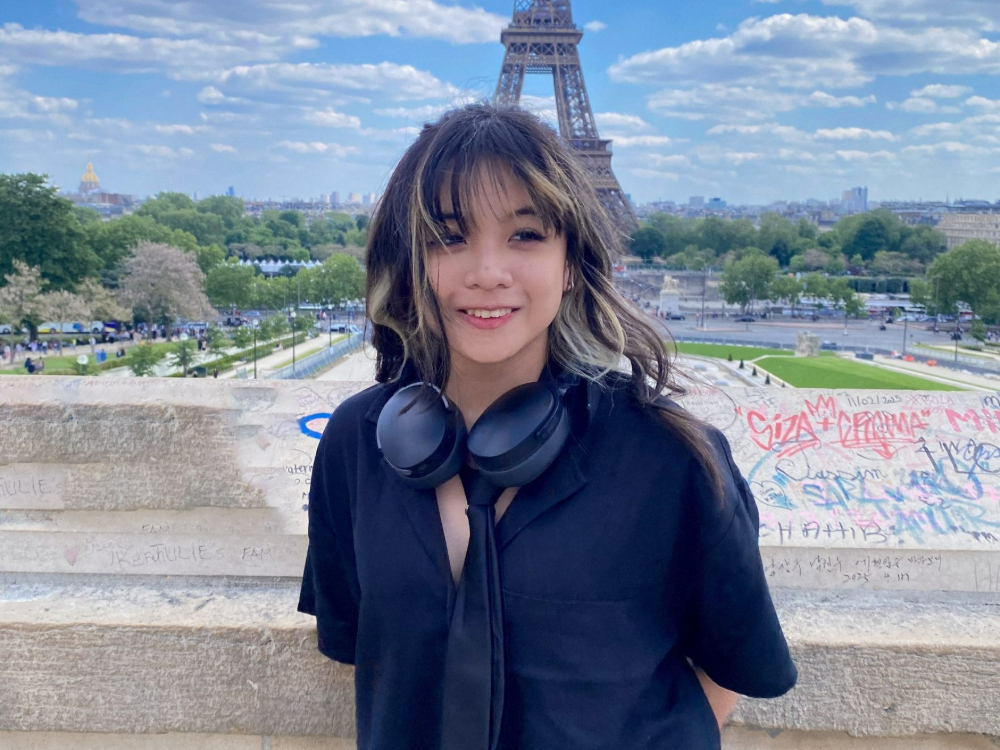
#myCMUlife Student Blog | Four pieces of advice for my first-year self entering CMU's music program
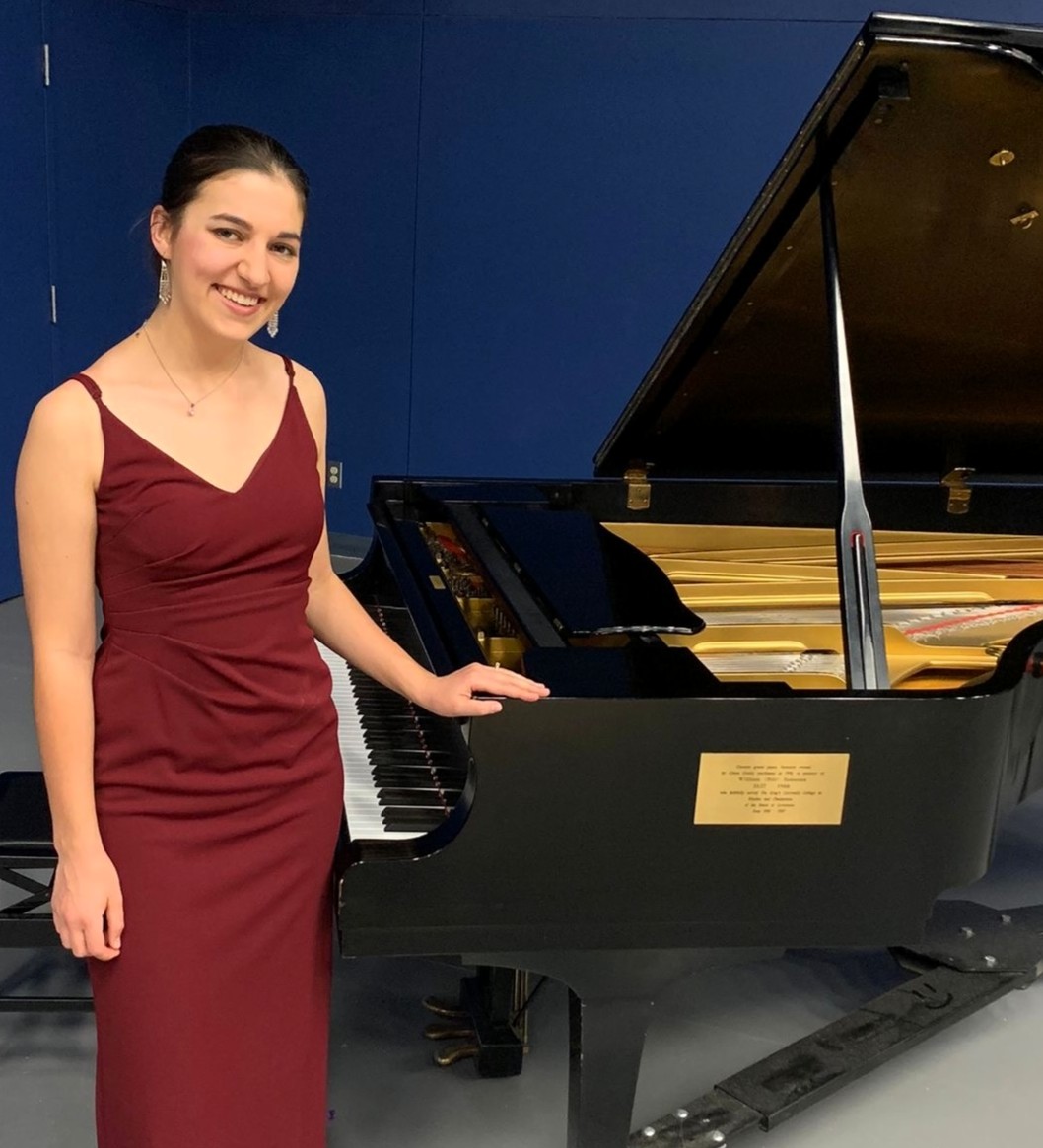
#myCMUlife Student Blog | "Well... it depends...": Four insights into studying music therapy at CMU
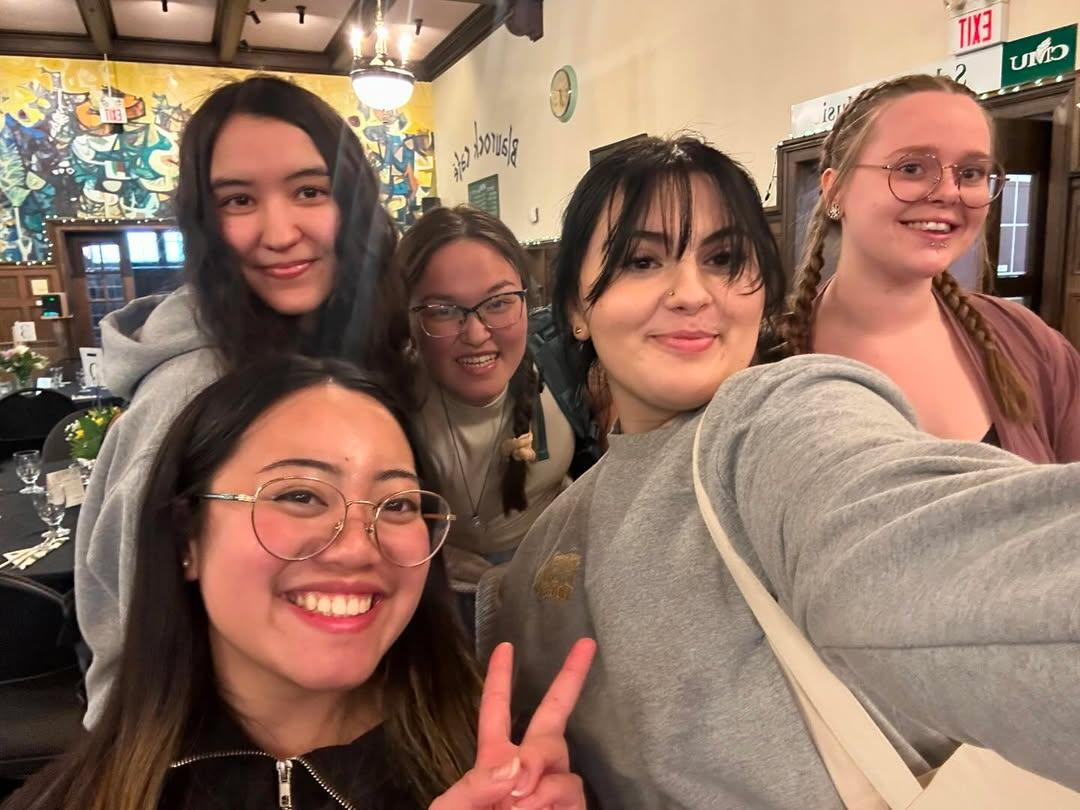
#myCMUlife Student Blog | Finding purpose through music

CMU faculty, students, alumnus thrilled to participate in Indigenous opera premiere

From napkin sketch to piano concerto: two CMU students' collaborative journey

CMU alum recontextualizes art song through queer, ecological lens
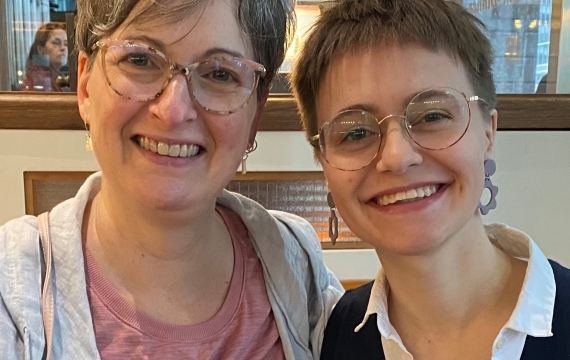
Faculty-alumni collaboration explores decolonizing music education in the classroom
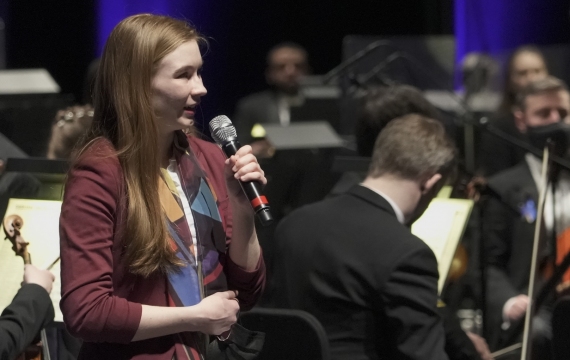
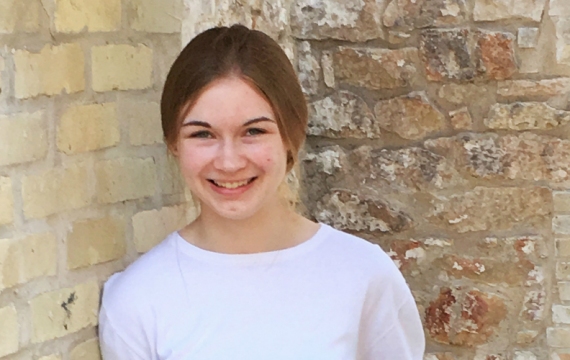
Anna Schwartz wins Canada Music Week's Student Composer Competition for Manitoba
Faculty: In Their Own Words
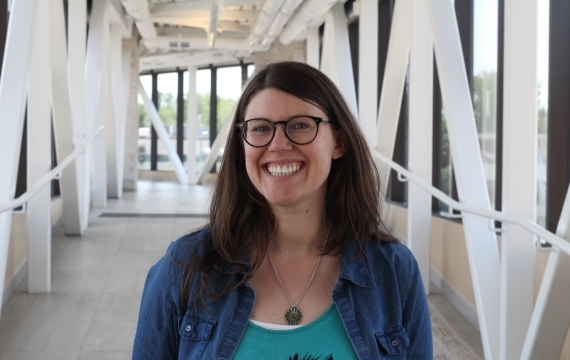
Lee-Anne Dowsett, Assistant Professor of Music Therapy
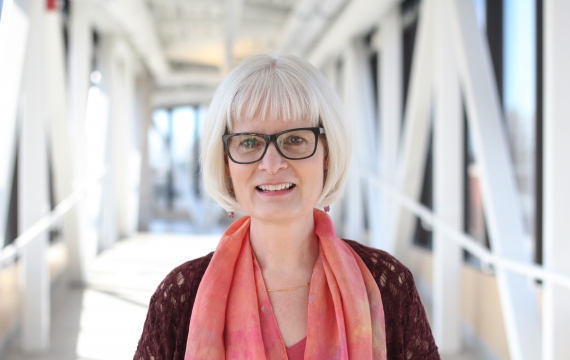
Dr. Christine Longhurst, Assistant Professor of Music and Worship

Dr. Matthew Pauls, Assistant Professor of Music

Dr. Janet Brenneman, Dean, School of Music; Associate Professor of Music